Canadian Reduced Gravity Experiment Design Challenge

Applications for CAN-RGX 9 are now open! Click here to learn more:

What is CAN-RGX?

Canada’s first microgravity research competition for students, in collaboration with the National Research Council and the Canadian Space Agency.

Running annually since 2016, the Canadian Reduced Gravity Experiment Design Challenge (CAN-RGX) is a competition for Canadian post-secondary students to design and test a small scientific experiment on board the National Research Council of Canada (NRC) Falcon 20, which has been modified for reduced gravity flight in association with the Canadian Space Agency (CSA). Starting in September 2025, CAN-RGX is in its ninth campaign.

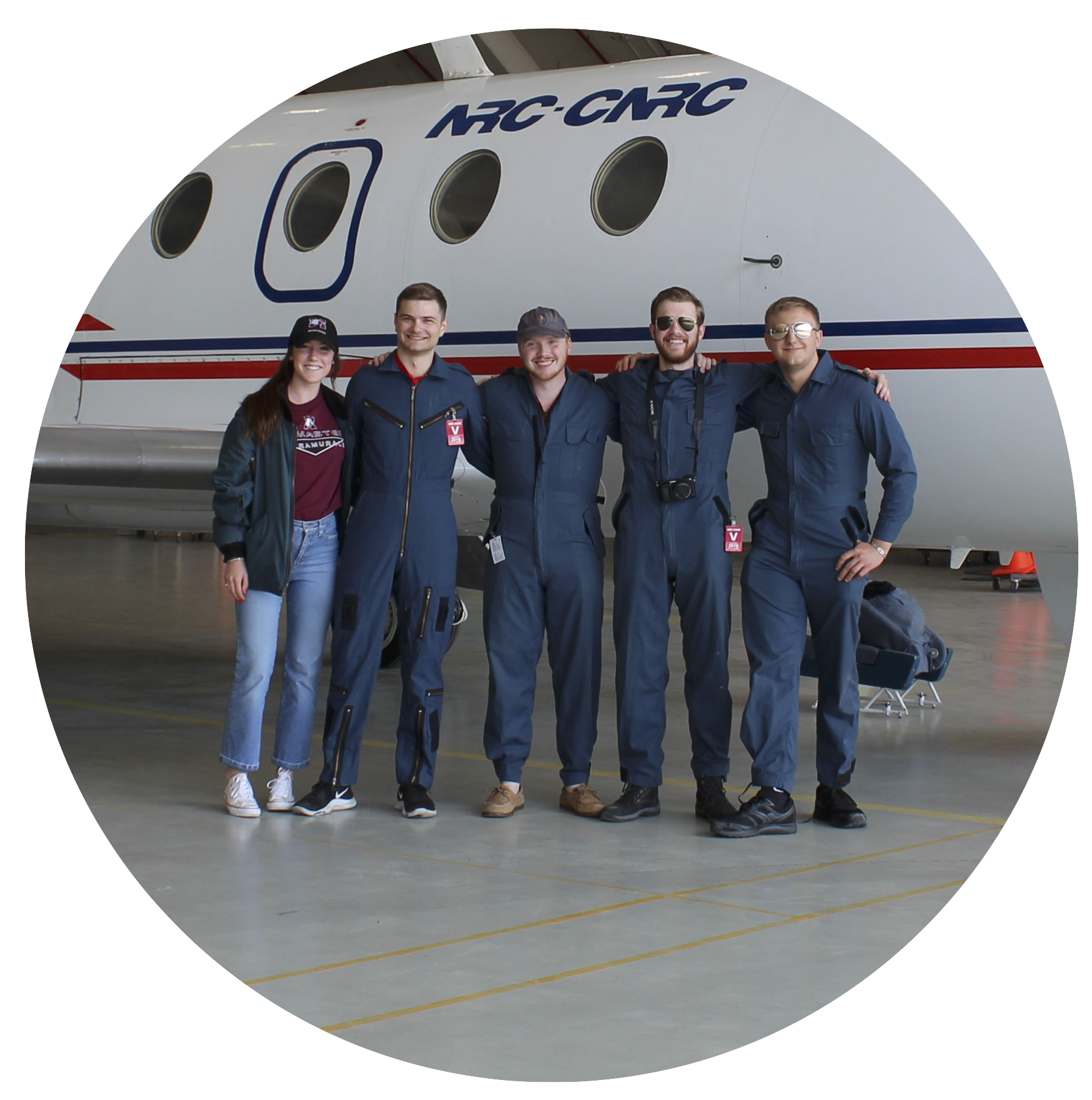
Any student team at a Canadian university or college can submit a proposal for their experiment, after which, teams will be selected to fully design, build and fly their experiments. Two members of each team will fly their experiments on board the Falcon 20 which simulates microgravity conditions by flying in consecutive parabolas.

We seek to create tangible student-led impact in space exploration and development. This is a unique opportunity for students to develop skills in STEM, to fly on board a parabolic aircraft, and conduct research in an environment that is unparalleled here on Earth!

CAN-RGX Project Timelines

Dates are approximate and will be confirmed with students and subject-matter experts (SMEs) pending availability. Some of the following milestones include documents that must be submitted by selected teams. Participating students will become familiar with the engineering design structure the Canadian Space Agency uses. Documents will be evaluated by SMEs throughout the experiment design phases. Specific instructions for submitting these documents can be found in their respective sections of the handbook. Submissions must be made to CANRGX@SEDS.CA.

 
CAN-RGX 9 Milestones
  1. Monday, October 19, 2025, 11:59 PM (ET): Deadline to submit your proposal to canrgx@seds.ca
  2. Late November, 2025: Teams will be notified of their selection and feedback will be provided by SMEs (from the National Research Council, the Canadian Space Agency, and additional partners)
  3. Friday, December 5, 2025: Kickoff Meeting (KOM) with selected teams
  4. Week of December 15, 2025: Project Management Presentation (PMP)
  5. Week of January 26, 2026: Progress Presentation 1 (PP1)
  6. Week of February 23, 2026: Preliminary Design Review (PDR)
  7. Monday, March 2, 2026: Submit Test Equipment Data Package (TEDP), Rev A
  8. Week of March 16, 2026: Progress Presentation 2 (PP2)
  9. Week of April 13, 2026: Critical Design Review (CDR)
  10. Monday, April 20, 2026: Submit TEDP, Rev B
  11. Week of May 11, 2026: Progress Presentation 3 (PP3)
  12. Friday, June 5, 2026: Submit Ground Test Video (GTV)
  13. Week of June 15, 2026: Flight Readiness Review (FRR)
  14. Monday, June 22, 2026: Submit final TEDP, Rev C
  15. Friday, July 3, 2026: Submit Outreach Activity Report
  16. Week of July 13, 2026: CAN-RGX Flight Campaign (tentative deployment week)
  17. Friday, August 7, 2026: Post-flight survey

Last updated: December, 2025

Competition Info

How to apply to CAN-RGX 9 (2025-2026)

While not required, you are welcome to submit an Expression of Interest form to receive early feedback on project ideas, proposal quality, or team-building! For questions about the application process, eligibility, please email CANRGX@SEDS.CA.

Download both the Application Form and Application Guide (updated August 28, 2025).

Complete the Application Form following the itemized submission instructions. Consult the Application Guide for key details about Proposal requirements, timeline, microgravity environment, and experiment constraints.

Email CANRGX@SEDS.CA with one PDF containing your completed Application Form, Proposal document, and supporting documents.

Submission Deadline is October 19, 2025, at 11:59 PM (ET).

Students must adhere to the deadline and requirements to qualify for the CAN-RGX 9 selection process.

Our Handbook contains all the
information interested student teams may need

(including competition requirements, eligibility criteria, a competition timeline, the application process, and more!)

The 2022-23 CAN-RGX Handbook is now available!

A copy of the Faculty Endorsement Letter can be found here; A copy of the Team/Project checklist can be found here.

The CAN-RGX How-To Guide contains additional tips and advice for excelling throughout the competition (including the proposal stage!)

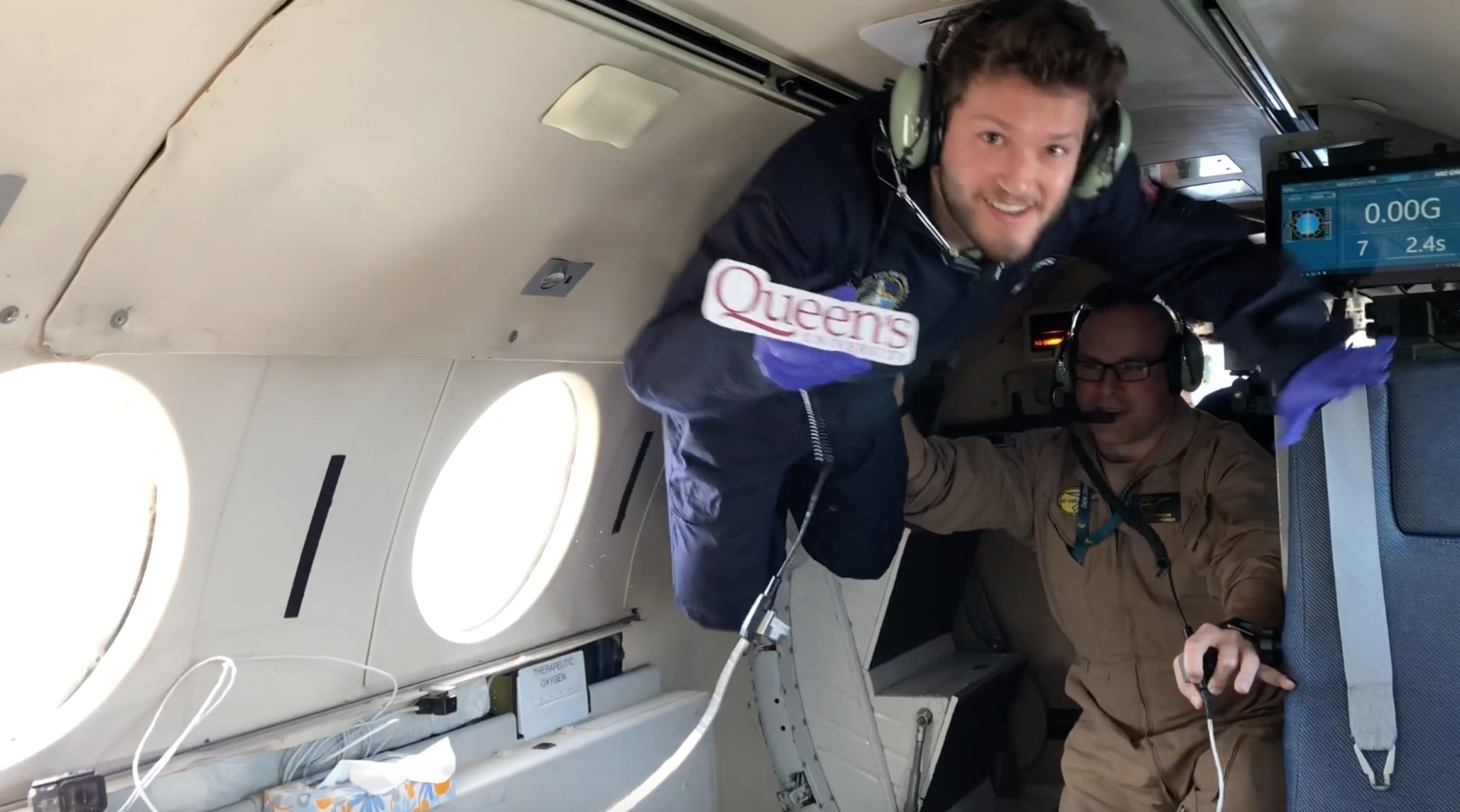
Elisha Krauss (from Queens University) floats in microgravity on board the Falcon 20.
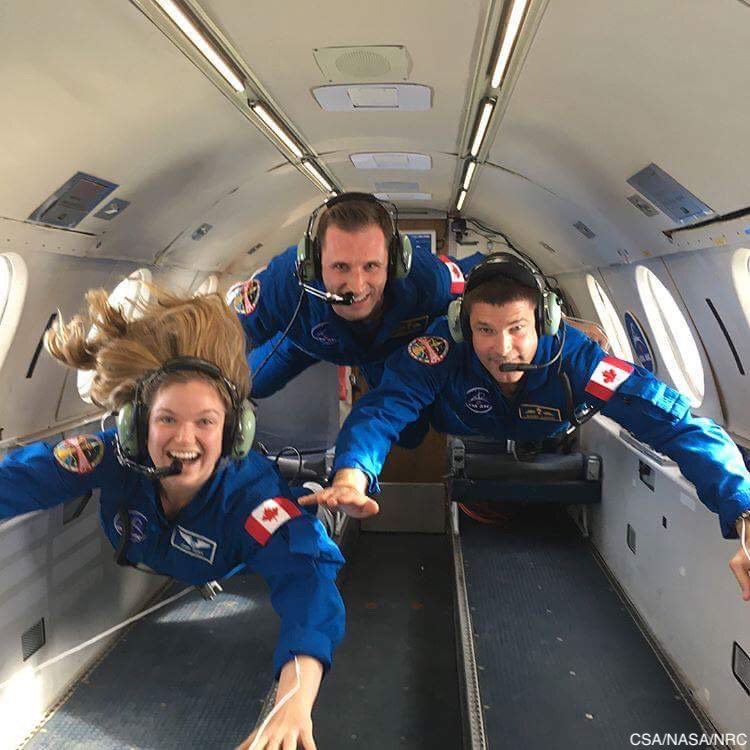
Jenni Sidey-Gibbons, Joshua Kutryk, and, Jeremy Hansen; three active Canadian astronauts on board the Falcon 20!
What would you say to a student considering entering the competition?

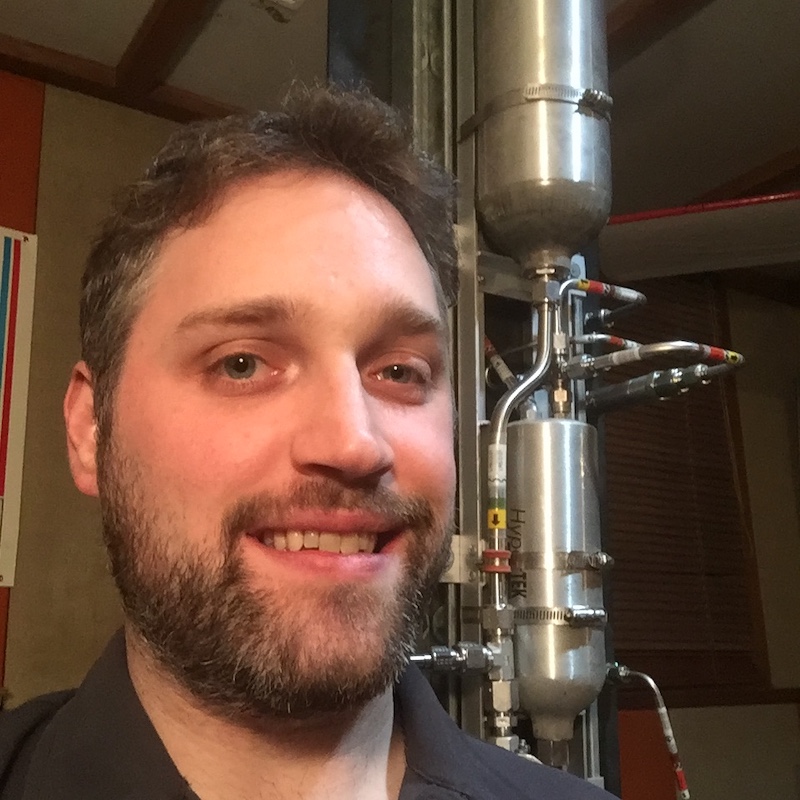
Go for it! Form a group with friends/fellow students who are interest in CAN-RGX and give it your best shot. When we initially formed our team, we didn’t think we would ever be selected for CAN-RGX. Have confidence and submit the best proposal you can.
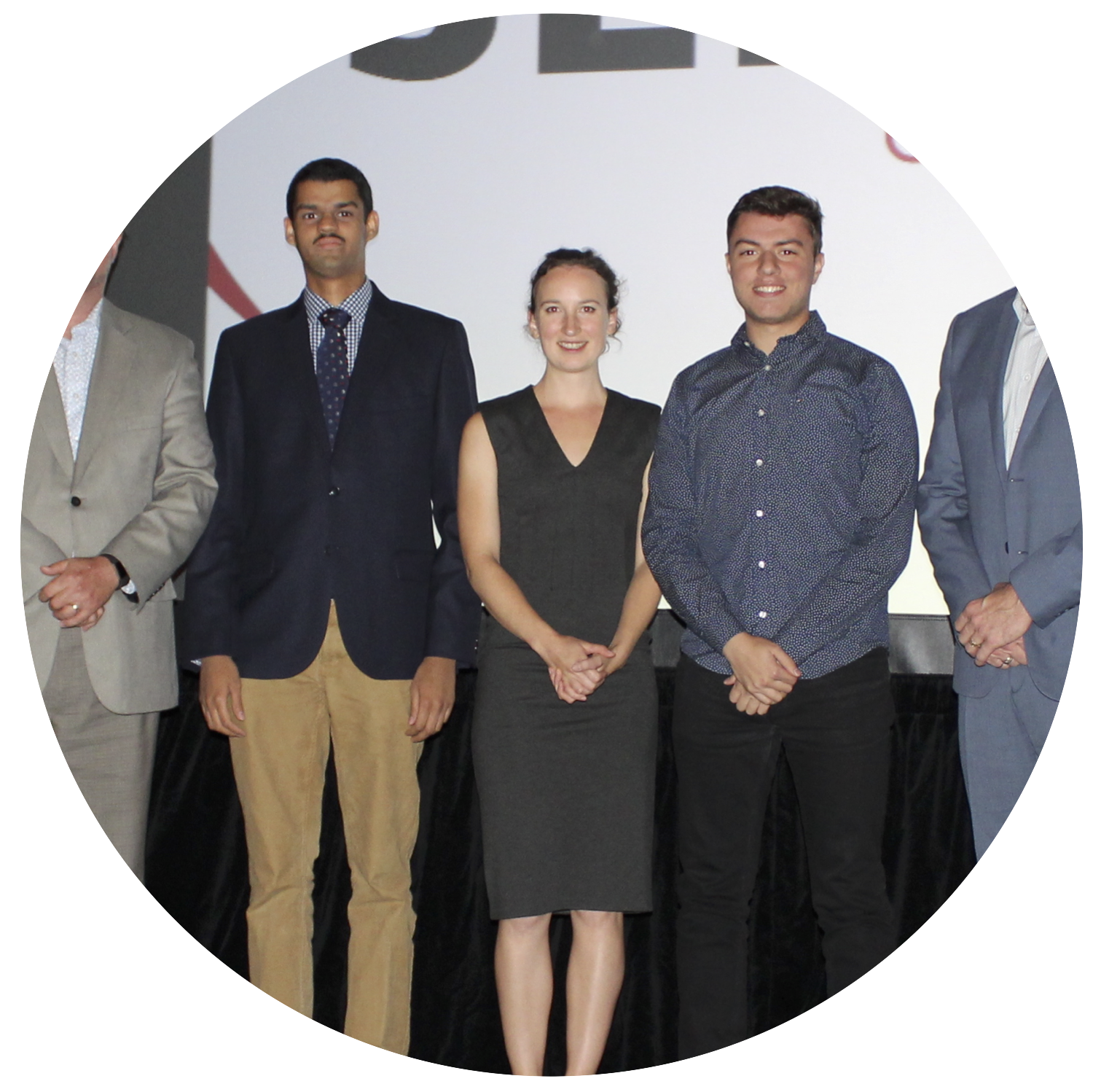
Michael Stramenga

Team Lead, MERGE (McMaster)
CAN-RGX 2019

Q: Can my experiment involve flammable material if it is properly contained?
A: No. The ‘Experiment Constraints’ outlined in the Handbook prohibits the use of high-pressure, toxic, corrosive, explosive and flammable materials, regardless of the level of containment. See the Handbook for further details.

Q: Will lab space or equipment be provided to build our experiment?
A: No. Teams are responsible for securing access to proper facilities/equipment needed to design and build their experiment.

Q: Will we receive training before the parabolic flight?
A: Yes. Selected teams will undergo a pre-flight briefing where they will be coached by flight officers and guided through emergency procedures.

Q: Will we be allowed to bring our own tools on board the aircraft?
A: Yes, given that the tools are deemed safe for use in parabolic flight. Note that all tools will need to be contained or tethered during parabolas.

Q: Can we perform experiments on humans, animals or living cells?
A: Only experiments using cells which fall under Risk Group 1 and do not require Research Ethics Board of approval are allowed.

Q: Can I apply if I am an international student?
A: Yes! Any student enrolled at a Canadian post-secondary institution can apply, regardless of residency status.
Q: Can I participate if I am enrolled part time?
A: Yes! As long as you can provide proof of enrolment at your academic institution, you can enter into the competition.

Q: Do you accept unofficial proof of enrolment?
A: We accept the following: an official proof of enrolment letter, a scan of a student ID card showing the expiry, a screenshot of a current timetable clearly showing the year/student name/student ID, or a tuition invoice/financial statement showing the year/student name/student ID. Proof of enrolment for each team member must be submitted with the team’s Proposal.

Q: Is there a limit on how many members can be in my team?
A: No, however your team can only be associated with one ‘primary Canadian institution’. This means that any team members who are not enrolled at the primary Canadian institution will be listed as ‘collaborating institutions/members’.

Q: Who can I ask for help if I have a technical question related to my experiment design?
A: Selected teams will have access to a group of Subject Matter Experts (SME) who have extensive knowledge on parabolic flight science.These SMEs will be available to answer your technical questions during the competition. Send us your questions to canrgx@seds.ca.

Q: Can my Faculty Advisor be a post-doctoral researcher or doctoral student?
A: No. If you have concerns or questions about who qualifies as a “Faculty Advisor” please email us at canrgx@seds.ca
Any biological or physical process that depends on gravity on Earth can be studied in microgravity to observe changes. Students from a wide variety of backgrounds can perform experiments; these include, but are not limited to:

  • Material Sciences
  • Fluid, Heat and Mass Dynamics
  • Mechanics and Structures Sensors, Control Systems and Robotics
  • Chemistry
  • Geological Processes
  • Astroparticle and Radiation Sciences
  • Kinesiology, Biophysics and Biomechanical Engineering
  • Biology and Biochemistry
  • Plant, Animal and Human Physiology
  • Nutrition Sciences
  • Pharmacology and Medicine

For inspiration, here is a list of abstract titles from the 2014 NASA Reduced Gravity Flight Opportunities Program, which cover several research topics:

  • Dust Coagulation in Microgravity
  • Electrodynamic Dust Mitigation for NEO Missions
  • Flow Boiling Bubble Detachment in Microgravity
  • Canfield Joint Attitude Control
  • Zero Gravity Mass Inventory Gauge System
  • Frontal Polymerization in Microgravity
  • Fiber Supported Droplet Combustion of Biofuels
  • Still Deployment Mechanism for Small Satellite Platforms
  • Moisture Transport Systems for Wearable Applications
  • Vectran Combustion in Microgravity
  • Low-Velocity Regolith Ejecta
  • Alteration of Actin’s Critical Concentration in Microgravity
  • Miniaturized cardiac monitoring systems in microgravity
  • Noninvasive Biosensing for Long Distance Space Flights
  • Peristaltic Flow in Zero Gravity
  • Automated Microgravity Fluids Testing for Advanced Plant Habitat
  • A reporter system to assess the effects of microgravity on UV-induced DNA damage
  • Measuring and Interpreting the Effects of Gravity on Human Biochemical Processes
  • CPR in a microgravity environment
  • HTEE (Hemodynamic Transesophageal Echocardiography) Evaluation and Analysis Research Team (HEART)

Meet The Teams
CAN-RGX 9 (2025-2026)

Team CLOT-LESS, University of British Columbia

CLOTLESS_Logo

Team CLOT-LESS: This team from the University of British Columbia will study how well alteplase, a thrombolytic medication, dissolves blood clots under reduced gravity conditions. Their project will use a miniaturized fluidic system with real-time pressure and video monitoring to compare alteplase-mediated dissolution of clots with different compositions (fibrin-rich vs platelet-rich) and under different flow rates (venous vs arterial). Through this project, the team aspires to help guide safer medical protocols for astronauts. [Team media contact: Adrian Tabari]

Waterloo Space Soldering Team (WSST), University of Waterloo

WSST_Logo

Waterloo Space Soldering Team (WSST): This team from the University of Waterloo will develop and evaluate a novel Automated Component-Level Centrifuge Soldering Device. Their project aims to demonstrate functional, component level soldering under reduced gravity conditions and builds on a centrifuge soldering concept tested as part of CAN-RGX 7, which aimed to reduce porosity of solder joints in microgravity. This device will attach electronic components onto printed circuit boards under controlled centrifugal acceleration. Using this device, the team aims to produce the first demonstration of automated microgravity soldering of functional electronic components, contributing to in-space repair for deep-space mission readiness. [Team media contact: Mysha Hamid]

Team CanaDune, University of Waterloo

Team CanaDune: This team from the University of Waterloo will explore a seed- and sandworm-inspired barbed nozzle used to generate stable, directed powder streams in reduced gravity. Their project will use a standard filament printer with a detachable, barbed nozzle vibrated at specific frequencies to direct transport of small magnetic beads towards a build plate. A high-speed camera will be used to evaluate print quality and flow rate in simulated microgravity. Through this project, the team aims to help enable technologies like microgravity additive manufacturing and precision powder delivery. [Team media contact: Disha Tandon]

Team Cristar, University of Toronto

Cristar_Logo

Team Cristar: This team from the University of Toronto aims to investigate laser-induced crystallization under both microgravity and hypergravity conditions. Their project will use a compact laser cavitation system to generate crystals under different gravity environments. The team will then compare the size, structure and purity of the resulting lysozyme crystals to determine how gravity influences morphology and structural characteristics. This work aims to reduce the cost of microgravity-grown crystals by leveraging short-duration suborbital flights. [Team media contact: Alexander Wainwright]

CAN-RGX 4

Meet your selected CAN-RGX 4 teams!

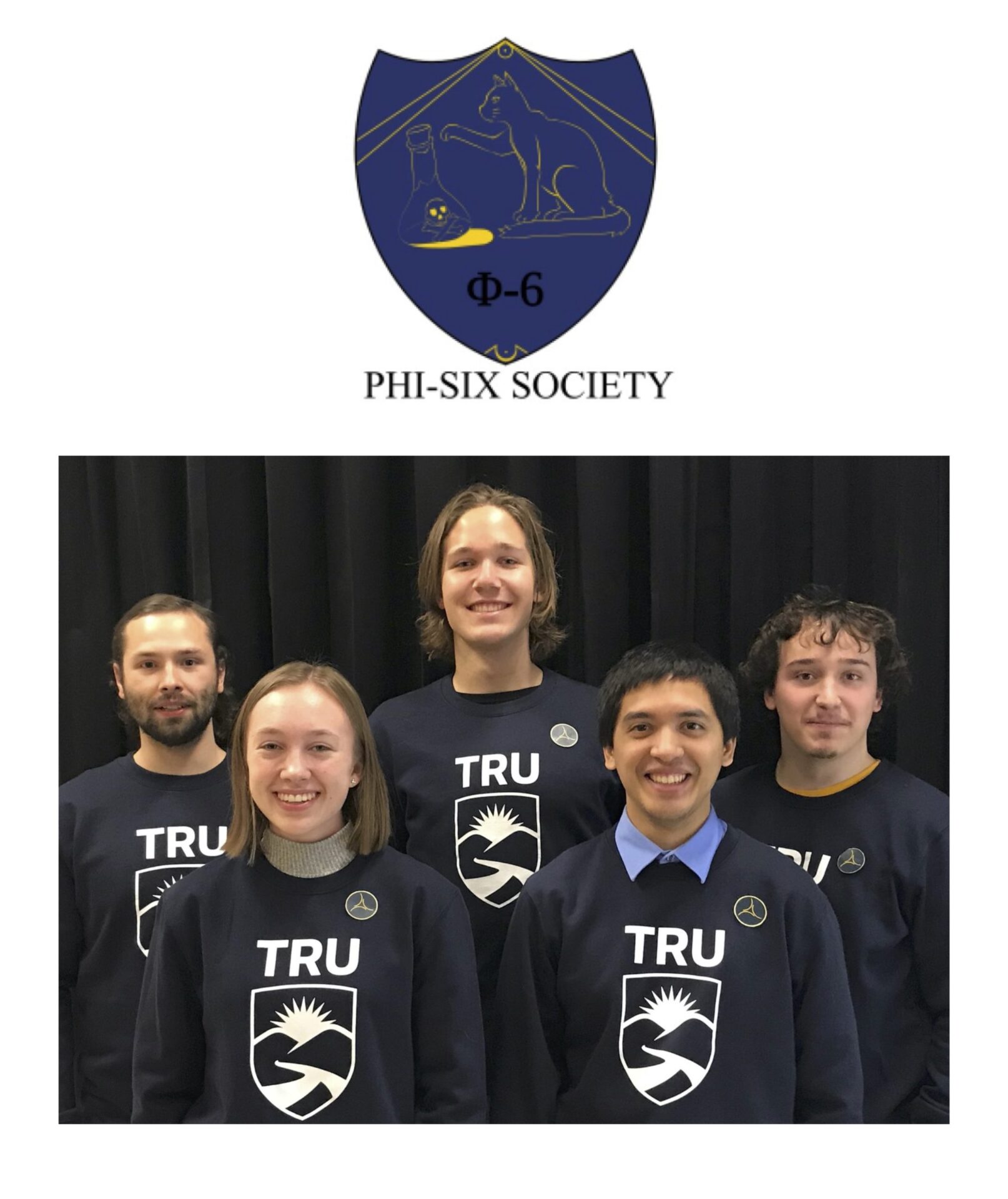
Phi-Six Society, Thompson Rivers University

Have you ever been in a car with blasting subwoofers and felt the acoustic power resonate through you? From the dulcet tones of Mozart to a sonic-boom bustin’ up windows, sound waves are incredibly versatile. In an experiment done by Kundt in 1866, particles in a closed tube seemed to dance in reaction to sound waves. Team Phi-Six will take this experiment to a new level on Canada’s zero-gravity platform, the Falcon 20. In the absence of gravity, crystalline particles like salt and sugar are known to weakly bond together, a process known as agglomeration. Using a Kundt’s apparatus in a zero-gravity environment, Phi-Six’s goal is to measure inter-particle forces which govern agglomeration.


Team members include: 

Jonathan Gilchrist, Donavin White, Josephine Brewster, Cooper Wendland, and Adam Whitaker-Wilson

Past CAN-RGX participants

(click for more information, where available)

CAN-RGX 8 (2025)

Mission SpaceWalker

University of Alberta

Space MENS

University of British Columbia – Okanagan

Lunar Mill Logo (1)

Lunar Mill

University of Waterloo

MERCURY

McMaster University

CAN-RGX 7 (2024)

CMD-SAT

University of Alberta

SAIT Supernovas

Southern Alberta Institute of Technology

Waterloo Space Soldering Team

University of Waterloo

Insecta

Carleton University

CAN-RGX 5.5 (2023)

Team UVic Rocketry(Univ. of Victoria)

UVic Rocketry
(University of Victoria)

Concordia MICRO2

MICRO2
(Concordia University)

CAN-RGX 6 (2023)

CRISiS Logo

Team CRISiS 
(Concordia University)

Graviteam_logo

Graviteam (University of Calgary)

UBCRocket_Logo

Team UBC Rocket (University of British Columbia)

SpiderSat_team_logo

Team SpiderSAT (University of Alberta)

CAN-RGX 5 (2022)

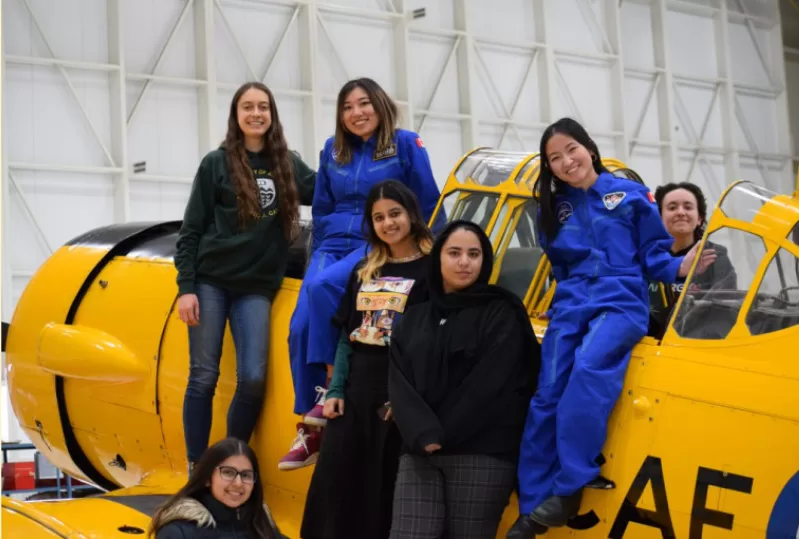
Photo of student team on yellow aircraft

Mission SpaceWalker (University of Alberta)

UAlberta MEMEs

Microgravity Experiment Modules Establishment (University of Alberta)

CAN-RGX 4 (2020-2021)
Team uORocketry(uOttawa)
uORocketry
(Univ. of Ottawa)
Team UAlberta Space Design Group(uAlberta)
UAlberta Space Design Group
(Univ. of Alberta)
Team PhiSix(Thompson Rivers University)
PhiSix Society
(Thompson Rivers Univ.)
Team UBCRocket(UBC)
UBC Rocketry
(Univ. of British Columbia)
Team TelOmG(UoT)
TelOmG
(Univ. of Toronto)

Overall Excellence Award: uORocketry (University of Ottawa)
Outreach Award: TelOmG (University of Toronto)

CAN-RGX 3 (2019)

Team QDMT(Queens Univ.)
Team QDMT
(Queens Univ.)
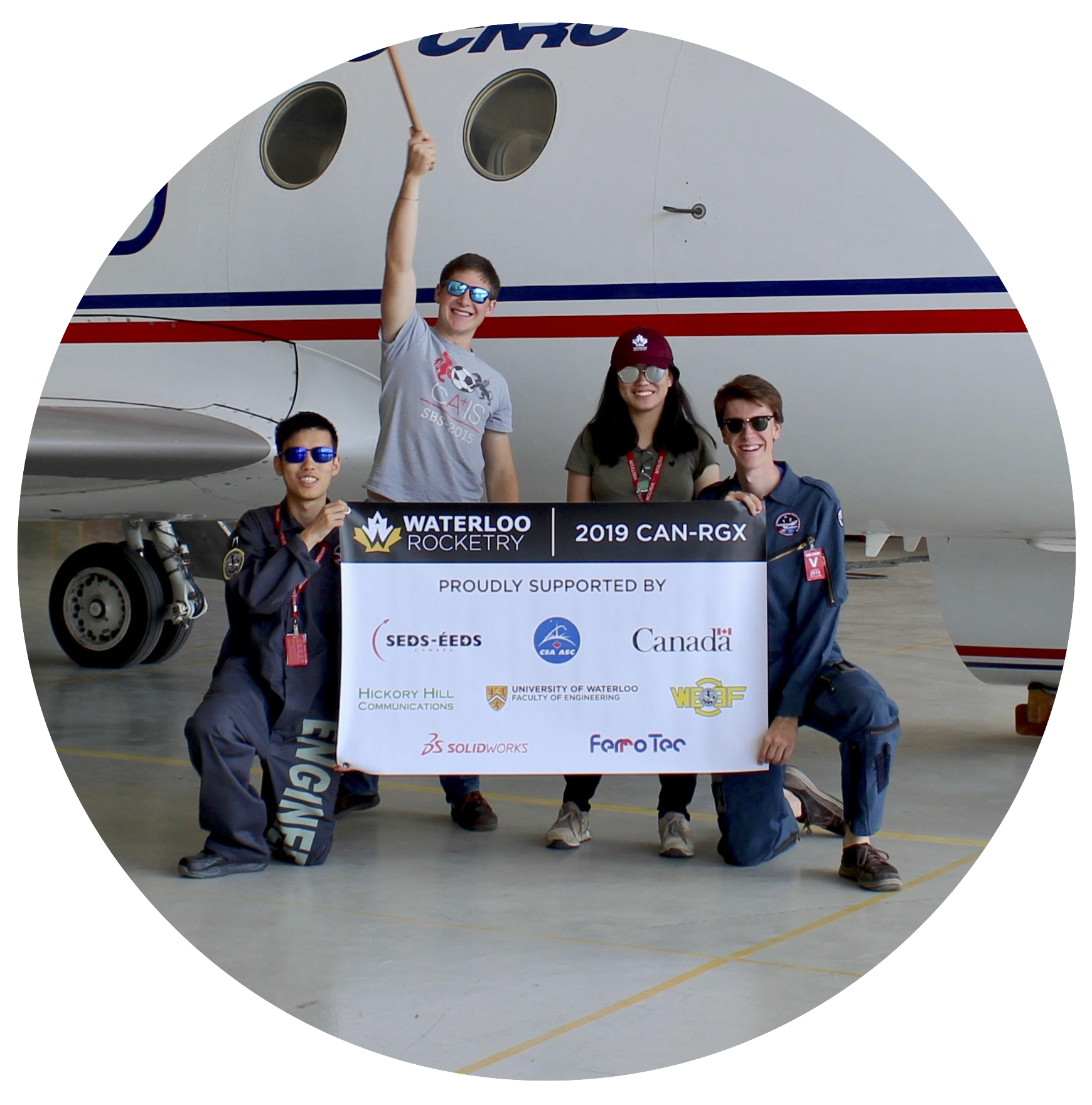
Team Waterloo Rocketry(Univ. of Waterloo)
Team Waterloo Rocketry
(Univ. of Waterloo)
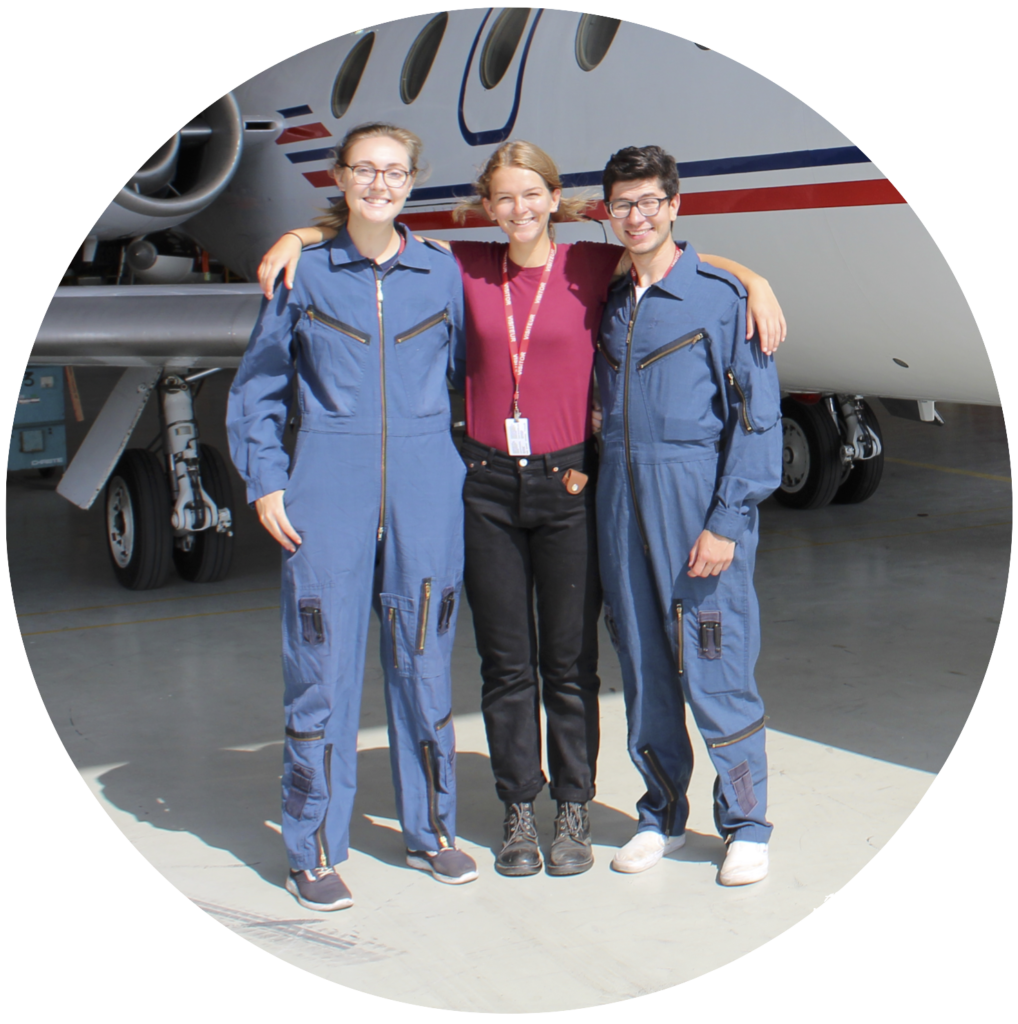
Team UVic Rocketry(Univ. of Victoria)
Team UVic Rocketry
(Univ. of Victoria)
Team MERGE(McMaster Univ.)
Team MERGE
(McMaster Univ.)

Overall Excellence Award: McMaster Experimental Reduced Gravity/MERGE Team (McMaster University)
Outreach Award: Team Waterloo Rocketry (University of Waterloo)

CAN-RGX 2 (2018)

Team QRGX(Queen's Univ.)
Team QRGX
(Queen's Univ.)
Team FAM(Univ. of Toronto)
Team FAM
(Univ. of Toronto)
Team QVIP(Queen's Univ.)
Team QVIP
(Queen's Univ.)
Team Astroplastic(Univ. of Calgary)
Team Astroplastic
(Univ. of Calgary)

Overall Excellence Award: Team Queen’s Vorticity Innovation Project/QVIP (Queen’s University)
Outreach Award: Team Astroplastic (University of Calgary)

CAN-RGX 1 (2017)

Team COSM(Carleton Univ.)
Team COSM
(Carleton Univ.)
Team AVAIL(Univ. of Toronto/UTIAS)
Team AVAIL
(Univ. of Toronto/UTIAS)
Team STARFOX(Univ. of Saskatchewan)
STARFOX/Space Design Team
(Univ. of Saskatchewan)
Team iSSELab(Univ. of Alberta)
Team iSSELab
(Univ. of Alberta)

Photos from Past CAN-RGX Competitions:
CAN-RGX 2019
CAN-RGX 2018

CAN-RGX Sponsors

GOLD

SILVER

BRONZE

We're looking for Corporate Sponsors and In-Kind Donors for the CAN-RGX Design Challenge!

Check out our CAN-RGX Sponsorship Package:

Scroll to Top